 Carenika
Doctors speak Bengali.
Carenika writes the record.
Consult the way you always have. Carenika turns the conversation into a structured clinical note and a printable prescription in seconds — then checks every medicine for interactions, contraindications and dosing risk before it reaches the patient.
৳1,200 per doctor per month · Pay with bKash or Nagad · Bengali support
Talk. Review. Print.
- Talk to the patient. Tap record and consult in Bengali, English or both. There is nothing to type.
- Review the draft. Complaint, findings, diagnosis and medicines arrive as a structured note. Accept, edit or reject each part.
- Print or send. The Safety Shield checks every medicine first. Then print the prescription or send it by WhatsApp.
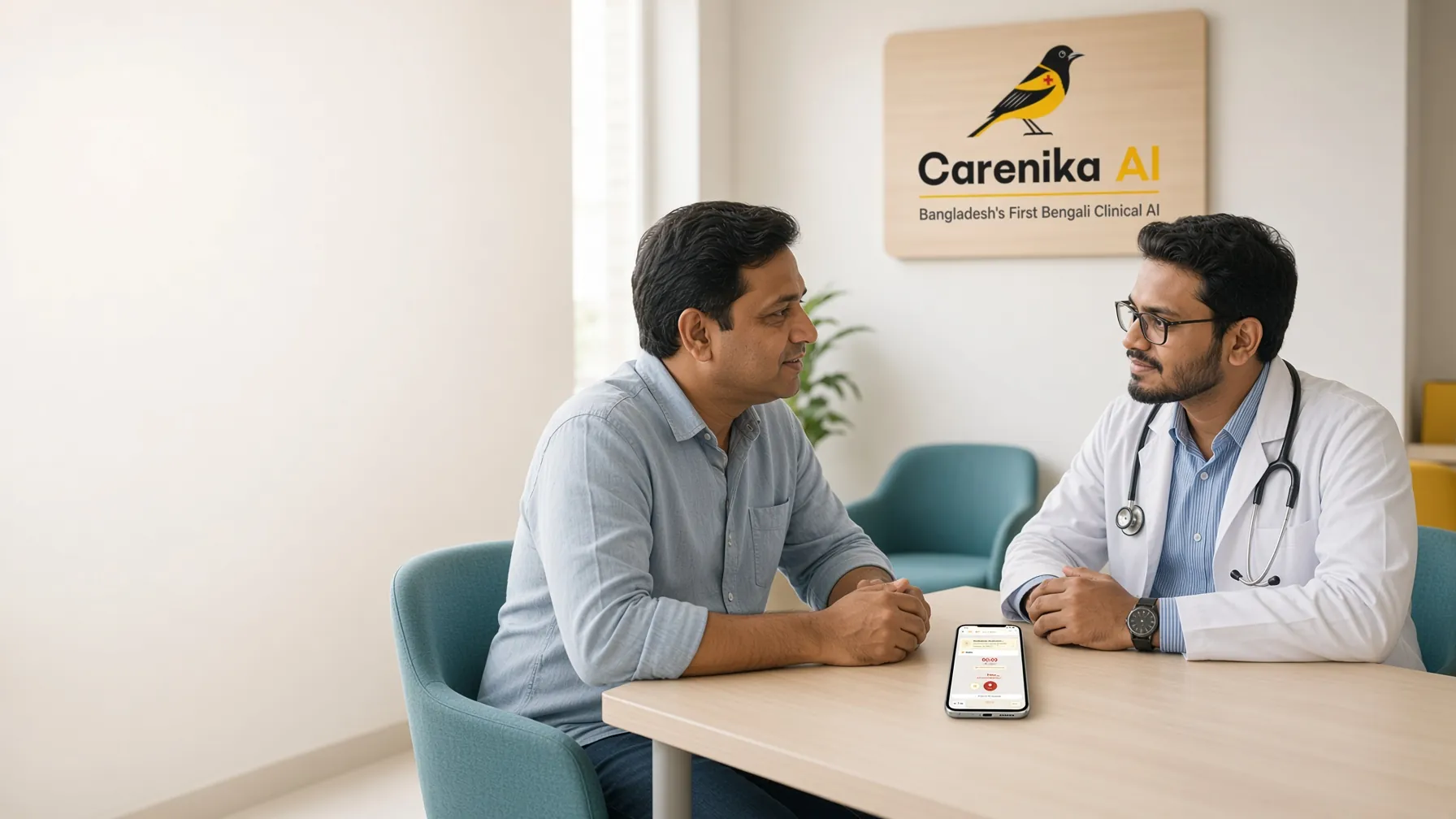
Eyes on the patient, not the screen.
Carenika listens in the background, so the consultation stays a conversation. The phone rests on the desk while the note writes itself, and the doctor reviews it once the patient has been heard.
The safety layer is deliberately not AI.
A language model produces a plausible answer. For prescribing, plausible is not good enough — the failure mode is not an awkward sentence, it is a patient. So the AI writes the note; explicit, versioned clinical rules check the drugs.
Deterministic, not probabilistic
Same input, same output, every time — and every alert traces back to a named rule a clinician can read and argue with.
Depth, not just interactions
eGFR-banded renal dosing, hepatic ceilings, paediatric mg/kg review, pregnancy contraindications, duplicate therapy, and an ADR registry that remembers past reactions.
Measured, not claimed
Validated on a fixed 50-scenario benchmark with the reference standard set before testing — including 19 deliberately safe cases, so false alarms are counted too.
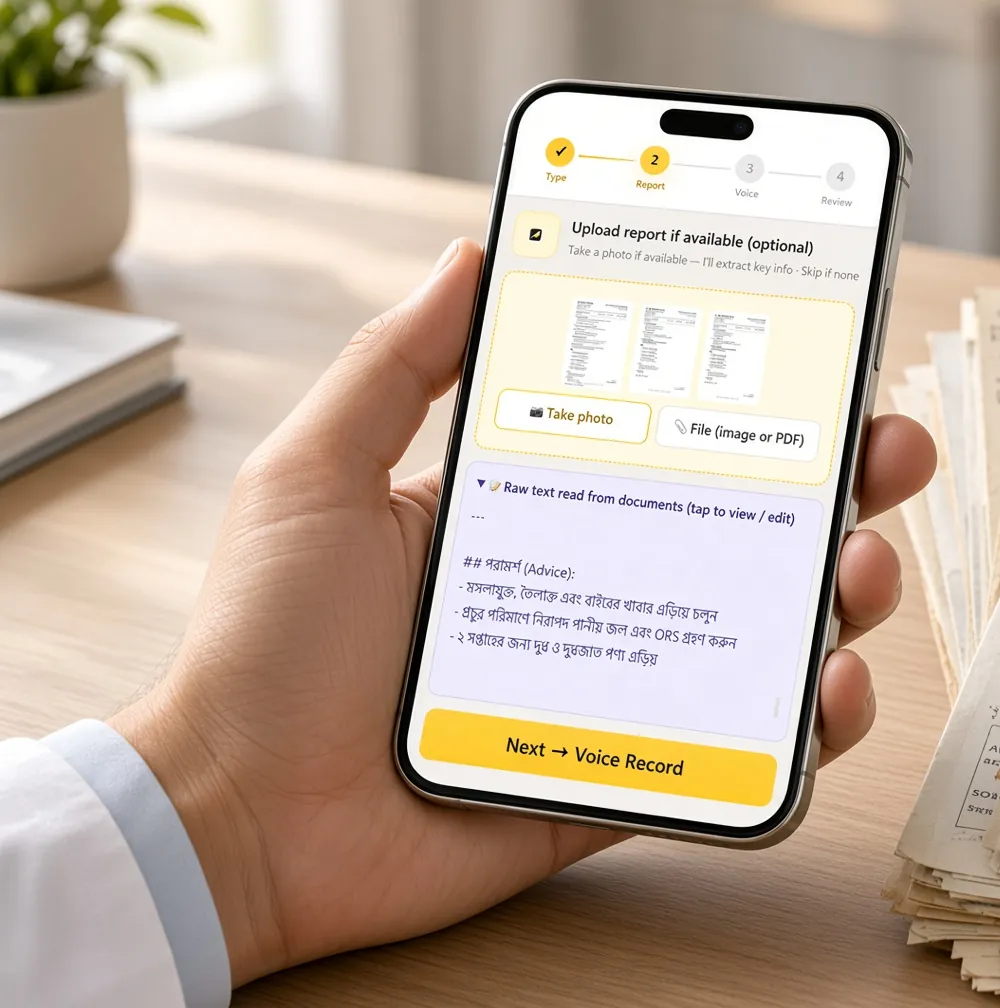
A bag of old reports, read from one photograph.
Patients arrive with prescriptions and lab reports from several doctors. Photograph them at the start of the visit, and Carenika reads what was prescribed and what the tests showed.
Three pillars — not a single-feature tool.
Documentation is where it starts. What keeps doctors is everything that happens around it.
Clinical
Ambient Bengali consultation to a full prescription. Clinical Safety Shield on every drug. Lab AI reads the patient's old reports into one timeline. Follow-up reminders that actually fire.
Research
Disease, case and ADR registries. Antibiotic stewardship with confidence intervals. Abstract and IMRaD drafts, SPSS-ready export — with safeguards against fabricated numbers.
Practice
Billing and revenue with bKash and Nagad. Appointments, certificates, analytics. Academic notes for FCPS and USMLE, built from the cases you already saw.
What Bangladeshi doctors use today.
| Capability | Paper pad | Generic Rx software | English AI scribes | Carenika |
|---|---|---|---|---|
| Works in spoken Bengali | — | — | — | ✓ |
| No typing during the visit | ✓ | — | ✓ | ✓ |
| Structured record kept | — | ✓ | ✓ | ✓ |
| Drug-safety screening | — | — | — | ✓ |
| Safety test results shown openly | — | — | — | ✓ |
| Bangladeshi medicine brands | — | ✓ | — | ✓ |
| Price per doctor / month | — | — | $99–500 | ৳1,200 (~$10) |
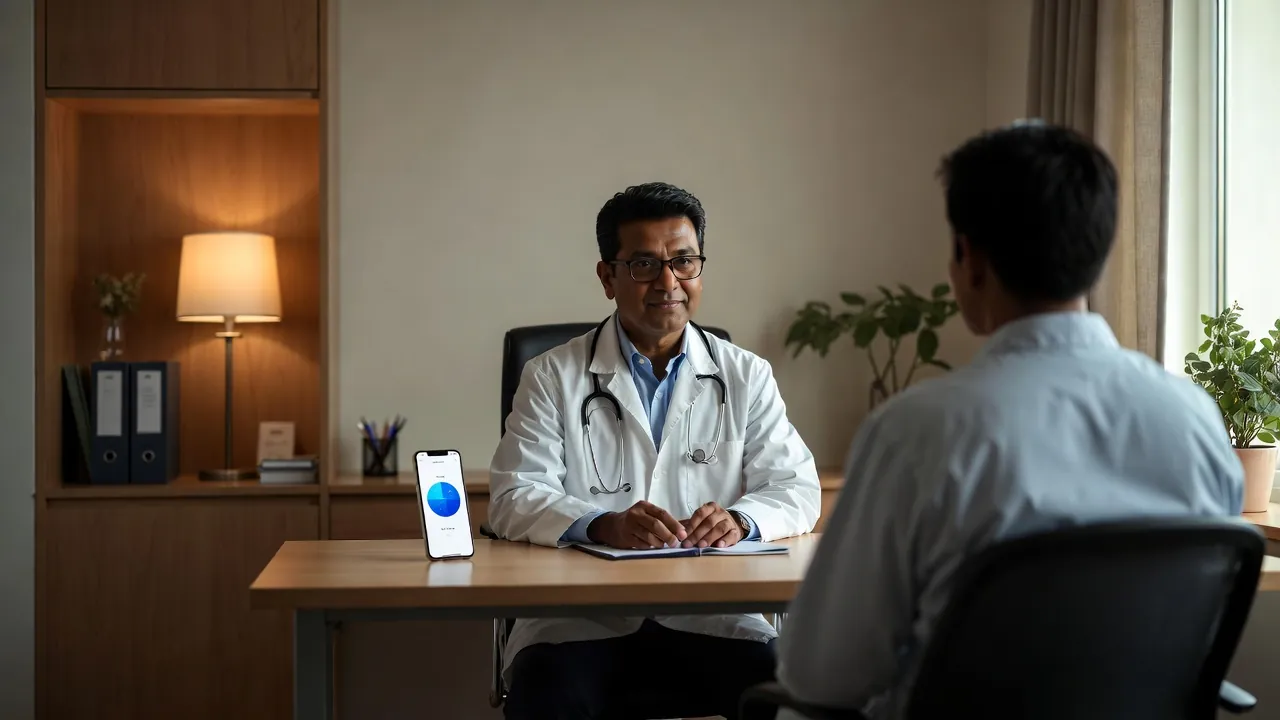
Made for the Bangladeshi chamber.
Runs in the browser on the phone or laptop you already have. Setup takes under two minutes, payment is by bKash or Nagad, and support is in Bengali.
Prothom Alo reported on how Carenika listens to an ordinary doctor–patient conversation and drafts the clinical note and prescription, while the doctor makes every final decision.
Get your evenings back.
৳1,200 a month, no contract. Setup takes under two minutes and support is in Bengali. Want to see it first? Book a free demo.
Get started Book a demo