 Carenika
Everything a consultation needs — in one place.
Carenika covers the whole visit: the conversation, the prescription, the safety check, the patient’s history, the follow-up, and the record you can do research with afterwards.
Ambient documentation
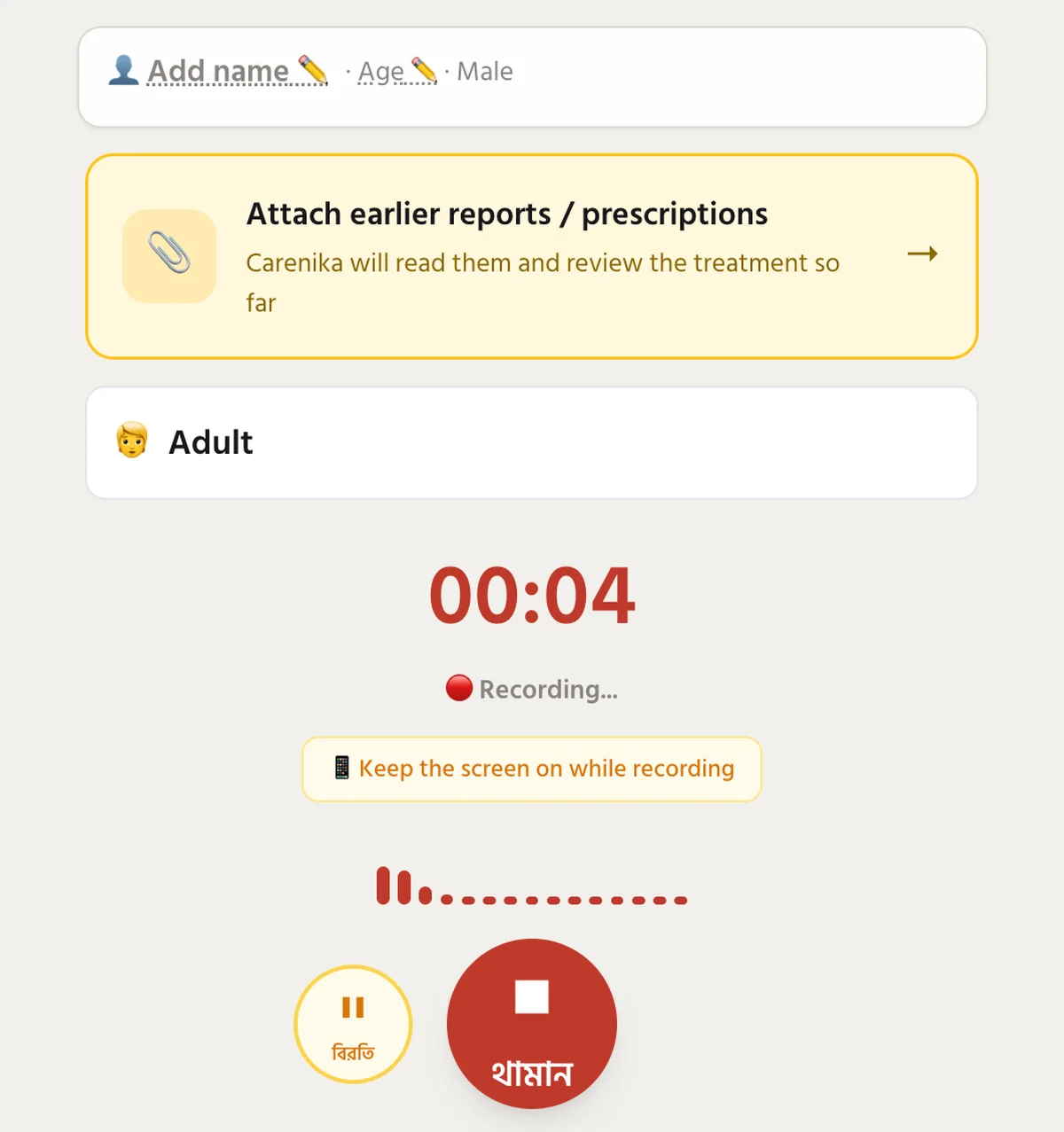
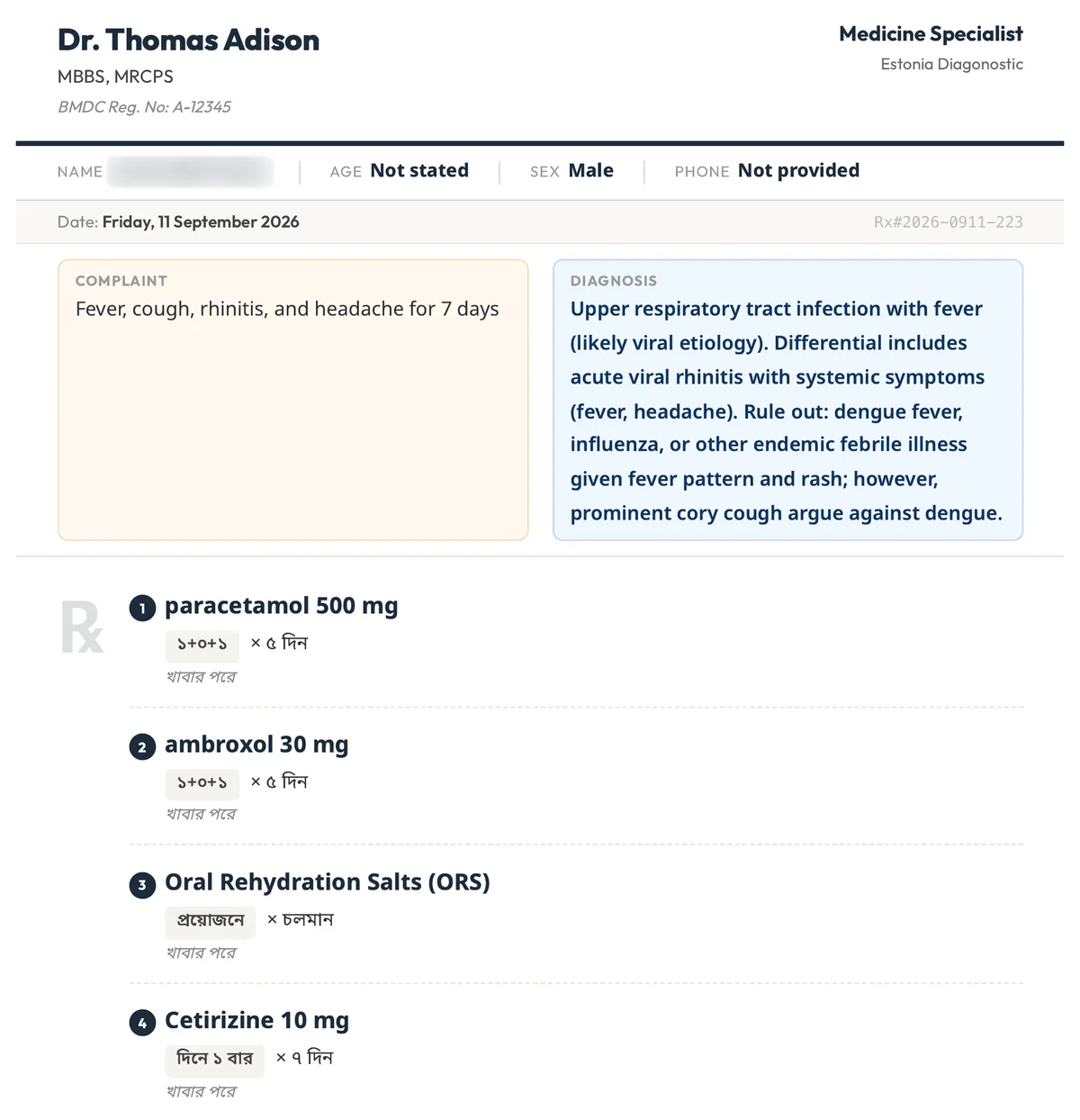
The doctor talks to the patient in natural Bengali — or the Bengali-English mix people actually speak. Carenika listens and produces a structured clinical note and a complete prescription in seconds. Nothing is typed during the visit.
- Handles Bengali, English and code-switched speech
- Complaints, examination findings, diagnosis with ICD-10 coding, medicines, advice
- Prescription in English with patient instructions in Bengali
- Section-by-section accept, edit or reject — the doctor stays in control
Clinical Safety Shield
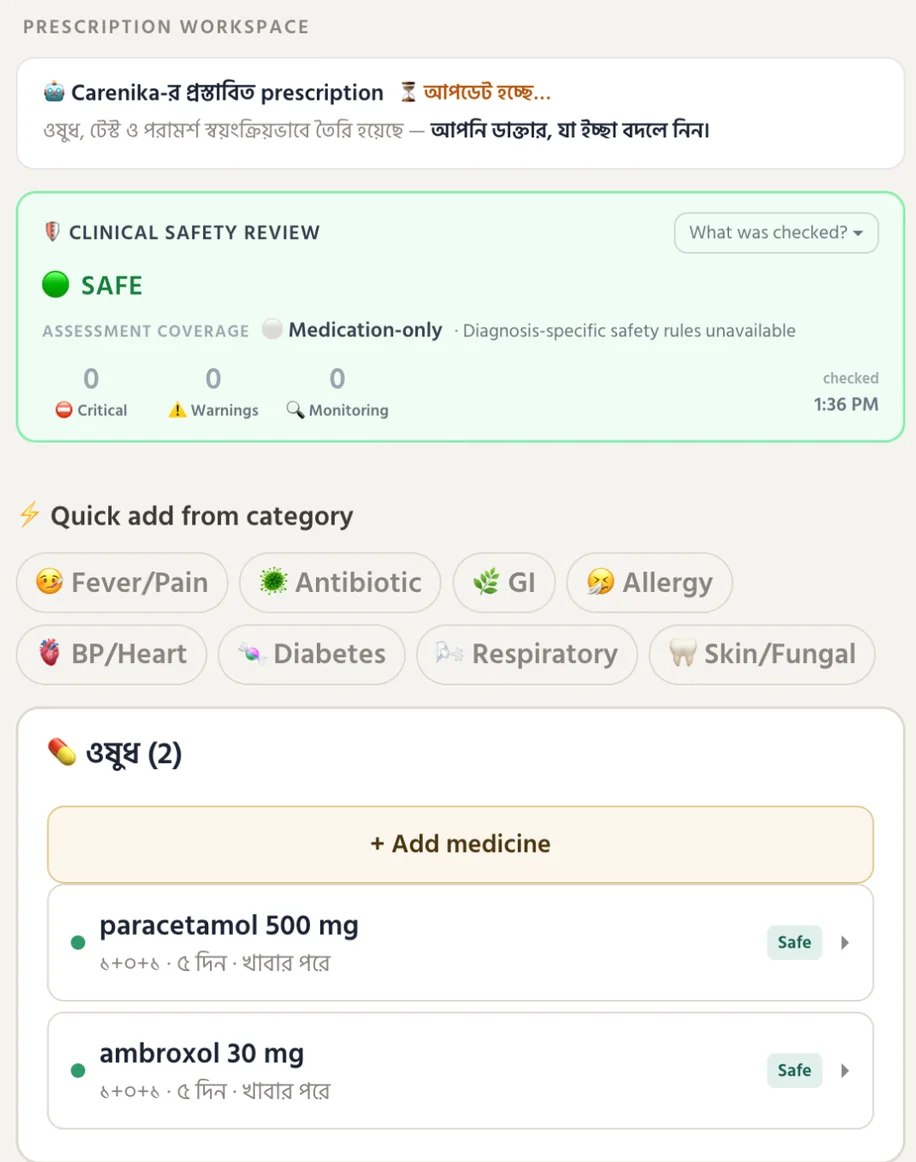
Before anything is printed, every medicine is checked. Not by the language model — by a separate, versioned rule engine we wrote and tested ourselves.
- Drug interactions, duplicate therapy and class overlaps
- Contraindications against the patient’s recorded conditions
- eGFR-banded renal dosing, hepatic ceilings, maximum daily dose
- Pregnancy, paediatric mg/kg and elderly-specific rules
- Every alert explains why, what to do instead, and the evidence behind it
- Overrides are allowed — and written to an audit log
Lab AI — the whole story, not today’s complaint
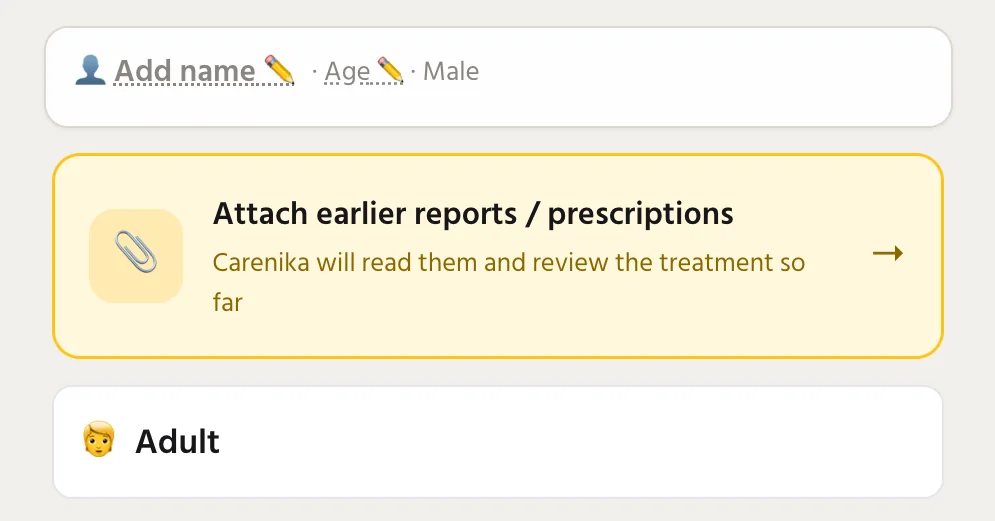
A patient who has already seen four doctors arrives with a bag of old prescriptions and reports. Carenika reads them from a photograph and lays the history out on one timeline.
- Reads printed prescriptions and laboratory reports
- Extracts medicines, test results and dates automatically
- Builds a single chronological patient timeline
- Shows what was tried, what the tests showed, and what was missed
Prescription and Bangladeshi medicines
A generic name is not what the patient asks for at the pharmacy counter. Carenika maps to the brands actually sold in Bangladesh.
- 10,000+ Bangladeshi medicine brands mapped to generics
- Brand suggestions drawn from the consultation context
- Dosing instructions written in Bengali for the patient
- Print, or send as a PDF over WhatsApp
Research that writes itself
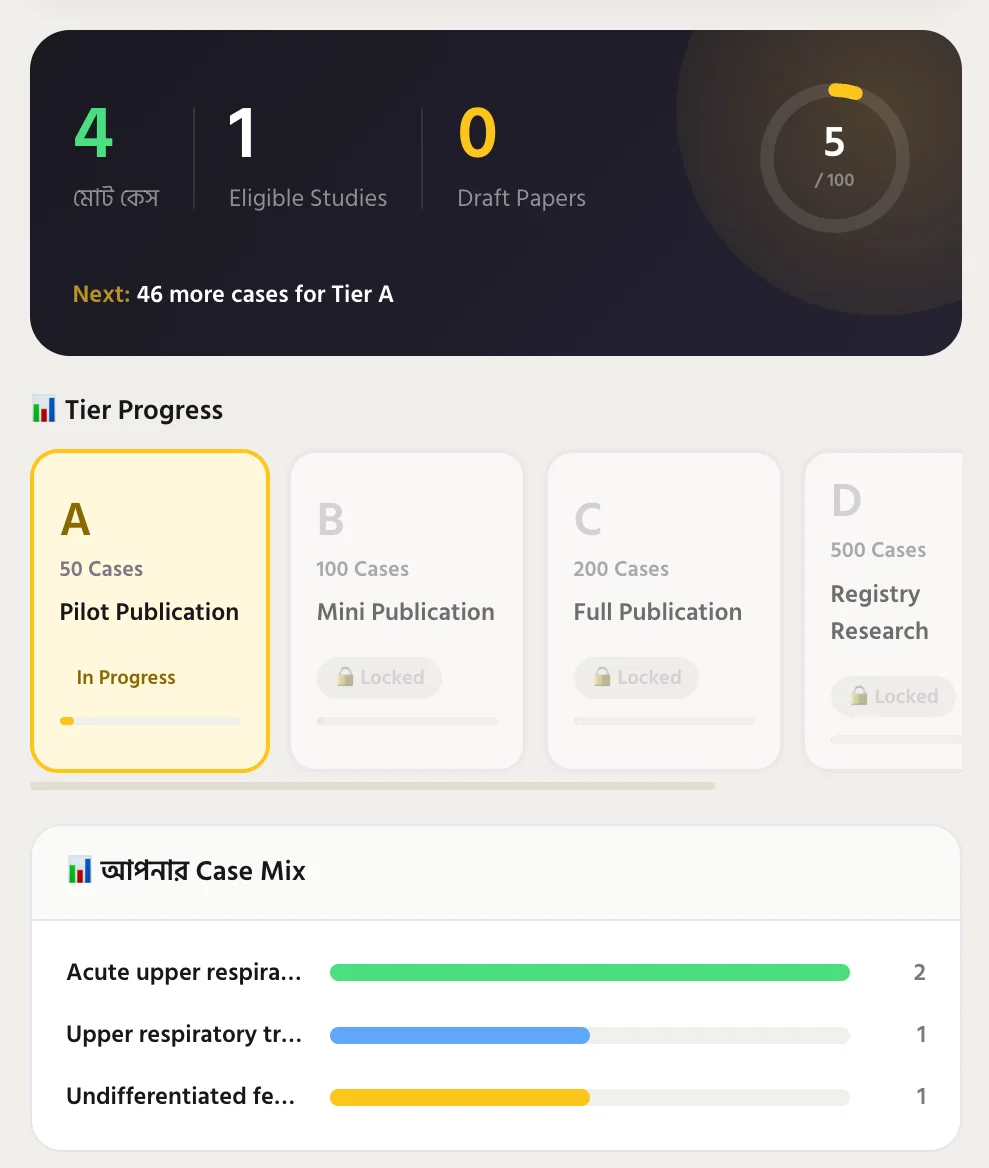
Every consultation becomes structured, coded data. That turns ordinary clinical work into something a doctor or an institution can publish and audit.
- Disease, case, ADR and rare-disease registries
- Antibiotic stewardship figures with 95% confidence intervals
- Abstract and IMRaD/Vancouver drafts, SPSS-ready CSV export
- Monthly clinical practice report for institutions
- Anti-fabrication safeguards — if the data is not there, it says so
Practice and academic tools
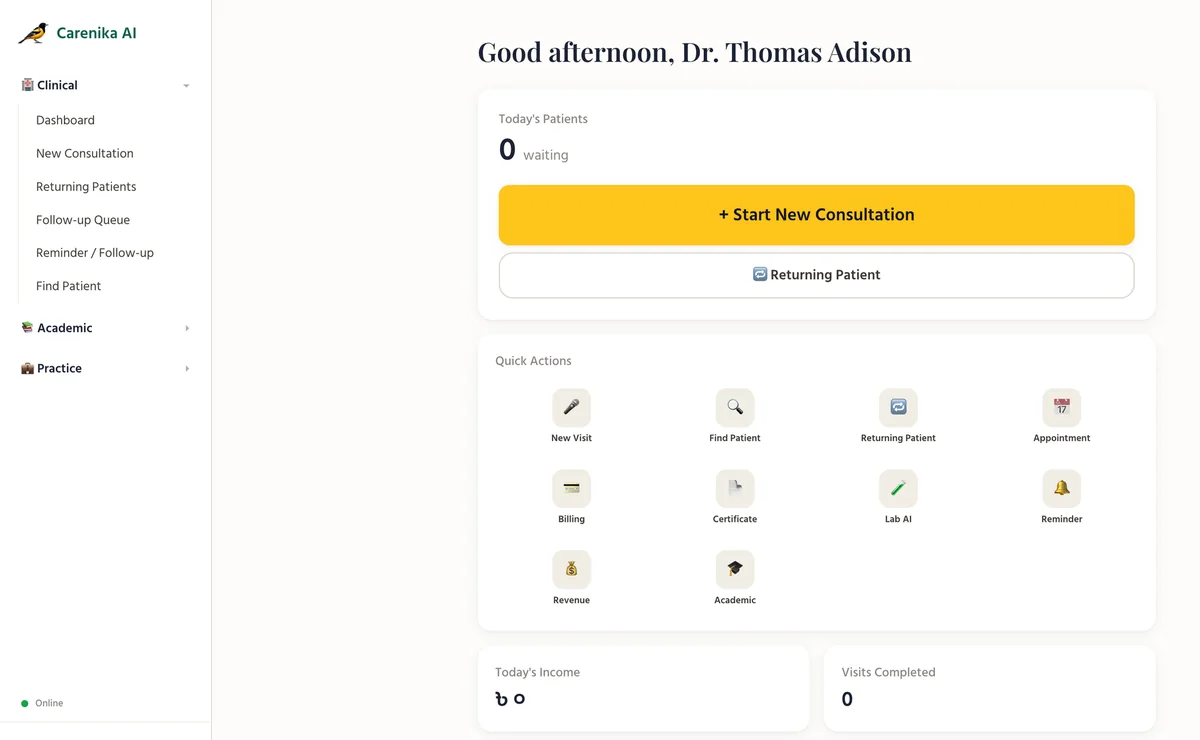
The parts of a chamber that have nothing to do with medicine, and the parts of a career that depend on keeping records.
- Billing and revenue tracking, with bKash and Nagad
- Appointments, certificates and practice analytics
- Follow-up queue with outcome capture
- FCPS and MCPS logbook entries built from real cases
- USMLE, PLAB and AMC case export in international format
Built once. Extended by specialty.
The first specialty edition is ophthalmology, built on the same engine: OD/OS examination panel, glass prescription, OCT report auto-fill, eye-drop specific safety rules — for example topical timolol in a patient with asthma — and questions that change with the working diagnosis. It was presented to the ophthalmology department of a national medical institution, whose response was positive enough that a conference presentation is planned.
See it on your own cases.
Book a free demo and we will walk through it with you in Bengali. Or subscribe and use it in your chamber today.
Get started Book a demo